DIN SPEC 91489:2024-11: The Standard for EV Fire Limitation Blankets
Overview:what DIN SPEC 91489:2024-11 means for EV fire blankets, including requirements, materials, testing, and how to choose a professional electric vehicle fire containment blanket.
With the rapid growth of electric vehicles (EVs), fire safety has become a critical challenge for emergency responders, automotive companies, and industrial safety professionals.

Unlike traditional vehicle fires, electric vehicle fires caused by lithium-ion battery thermal runaway present unique challenges, including:
• Extremely high temperatures
• Long-lasting combustion
• Toxic gas release
• Risk of battery reignition
• Difficulty in transportation after fire incidents
To improve the safety and reliability of EV fire containment equipment, DIN SPEC 91489:2024-11 was developed as a dedicated technical specification for fire limitation blankets used with electric vehicles.
This specification provides a technical framework for manufacturers and users to evaluate the performance of EV fire blankets.
What Is DIN SPEC 91489:2024-11?
DIN SPEC 91489:2024-11 is a German technical specification titled:
"Requirements for fire limitation blankets for use with electric vehicles"
It was published in November 2024 through the DIN SPEC PAS procedure.
The specification defines requirements for:
• EV fire limitation blankets
• Their intended application
• Performance expectations
• User-related considerations
It specifically focuses on blankets designed for use on electric vehicles.
Importantly:
♦ An EV fire blanket is a fire limitation tool, not an active extinguishing system.
Its main purpose is to:
• Limit fire spread
• Reduce heat radiation
• Protect surrounding objects
• Support safer emergency response
It is not intended to extinguish an opened and removed traction battery.
Product Recommend: Premium EV Fire Blanket
Why Was DIN SPEC 91489 Created?
Before DIN SPEC 91489:2024-11, the EV fire blanket market lacked a dedicated technical reference.
Many products were marketed as:
• EV fire blankets
• Battery fire blankets
• Electric car fire covers
However, product performance varied significantly.
Some differences included:
| Item | Different Market Products |
|---|---|
| Material | Fiberglass, silica, ceramic fiber |
| Temperature resistance | Different ratings |
| Size | Different vehicle coverage |
| Construction | Different sewing and reinforcement methods |
| Testing method | Lack of unified evaluation |
DIN SPEC 91489 helps establish a clearer technical expectation for manufacturers and buyers.
What Does DIN SPEC 91489 Evaluate?
Although specific testing procedures depend on the specification requirements and test arrangements, professional EV fire blanket evaluation generally focuses on several key areas.
1. Fire Limitation Performance
The primary function of an EV fire blanket is not simply covering a burning vehicle.
It should help:
• Contain flames
• Reduce fire exposure
• Limit heat radiation
• Protect nearby vehicles and structures
This is especially important in:
• Parking garages
• Vehicle transport areas
• Workshops
• Roadside incidents
2. High Temperature Resistance
EV battery fires can generate extremely high temperatures.
Therefore, EV fire blankets require advanced heat-resistant materials.
Common materials include:
Fiberglass Fabric
Advantages:
• Cost-effective
• Good basic thermal resistance
• Suitable for general fire protection
Limitations:
• Lower temperature performance compared with silica-based materials
High Silica Fabric
Advantages:
• Excellent thermal stability
• Higher continuous temperature resistance
• Better performance in extreme heat environments
Common applications:
• EV fire blankets
• Industrial fire protection
• Aerospace thermal protection
Silicone Coated Fiberglass
Advantages:
• Improved abrasion resistance
• Better handling
• Reduced fiber shedding
• Water-resistant surface
This material is widely used for professional reusable fire blankets.
3. Blanket Design and Usability
For emergency situations, design is as important as material performance.
A professional EV fire blanket should consider:
Vehicle Coverage
The blanket should cover common EV sizes, including:
• Passenger vehicles
• SUVs
• Commercial EVs

Handling System
Important features include:
• Reinforced lifting straps
• Pull handles
• High visibility markings
• Storage bag
Deployment Efficiency
Firefighters and rescue teams need:
• Quick deployment
• Safe operation
• Clear instructions
4. Durability and Reusability
Professional users often require products that can withstand:
• Transportation
• Repeated handling
• Storage conditions
• Emergency deployment
Important factors include:
• Fabric strength
• Seam construction
• Edge reinforcement
• Coating durability

DIN SPEC 91489 vs EN 1869 Fire Blanket Standard
Many buyers ask:
Is EN 1869 enough for EV fire blankets?
The answer is:
Not necessarily.
EN 1869 was developed mainly for conventional fire blanket applications such as:
• Kitchen fires
• Clothing fires
• Small combustible fires
EV battery fires involve different risks:
• Higher temperatures
• Longer burning duration
• Thermal runaway behavior
Therefore, EV fire blankets should be evaluated according to EV-specific requirements such as DIN SPEC 91489 rather than relying only on traditional fire blanket standards.
Who Should Buy DIN SPEC 91489 Compliant EV Fire Blankets?
1. Fire Departments
Applications:
• EV accident response
• Roadside rescue
• Fire containment
2. EV Repair Workshops
Applications:
• Battery inspection
• Vehicle storage
• Emergency preparation
3. Automotive Dealers
Applications:
• New EV storage
• Showroom safety
• Customer protection
4. Fleet Operators
Including:
• Taxi fleets
• Delivery fleets
• Bus operators
5. Fire Safety Distributors
Opportunities:
• OEM supply
• Regional distribution
• Industrial safety products
How to Choose a DIN SPEC 91489 EV Fire Blanket Supplier?
When selecting a manufacturer, buyers should check:
Technical Documents
Request:
• Material specifications
• Test reports
• Product drawings
• User instructions
Manufacturing Capability
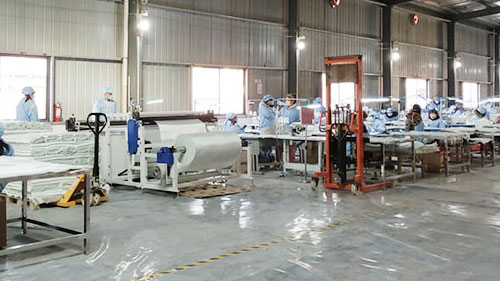
A qualified manufacturer should have:
• Heat-resistant textile production capability
• Coating technology
• Sewing and assembly capability
• Quality control system
Product Customization
Professional suppliers should support:
• Custom sizes
• Logo printing
• Different handle designs
• Storage bags
• Packaging solutions