What Is the Best Material for an EV Fire Blanket?
Overview:Discover why silicone-coated high silica fabric is the best material for EV fire blankets compared with fiberglass and graphite fiber. Learn how DIN 91489 certification helps ensure reliable fire protection.
Electric Vehicle Fires Require Specialized Fire Blankets
As electric vehicles become more common, thermal runaway incidents involving lithium-ion batteries have created new fire protection challenges.
Unlike conventional vehicle fires, EV battery fires can exceed 1,000°C, reignite repeatedly, and burn for several hours. This means the material used in an EV fire blanket is far more important than many buyers realize.
Today, the market mainly offers three types of materials:
• Ordinary fiberglass fabric
• Silicone-coated high silica fabric
• Silicone-impregnated graphite fiber fabric
Which one is actually the best?
Material Comparison

Why Ordinary Fiberglass Is Not Enough
Traditional fiberglass fabric is widely used in household fire blankets and welding blankets because it is affordable and lightweight.
However, it is not designed for lithium battery fires.
Main limitations
• Continuous temperature resistance only around 550°C
• Fiber strength decreases rapidly at higher temperatures
• Can soften or deteriorate during prolonged battery thermal runaway
• Limited insulation against intense radiant heat
An EV battery fire often maintains temperatures above 800–1000°C, making ordinary fiberglass unsuitable for reliable containment.
Is Graphite Fiber Better?
At first glance, graphite fiber seems attractive because of its extremely high temperature resistance.
However, there is one major concern.

Graphite Fiber Is Electrically Conductive
During an EV battery fire:
• Damaged battery modules may remain energized.
• Exposed high-voltage components can still carry electrical current.
• Conductive blanket materials may introduce additional electrical hazards for firefighters or emergency responders.
Although graphite fabrics perform well thermally, their electrical conductivity makes them less desirable for direct use on damaged high-voltage battery systems.
For this reason, many professional EV fire blanket manufacturers avoid conductive materials for vehicle containment blankets.
Why Silicone-Coated High Silica Fabric Is the Best Choice
Silicone-coated high silica fabric combines outstanding heat resistance with excellent safety characteristics.
Key Advantages
Excellent Heat Resistance
High silica fabric typically contains over 96% SiO₂, providing:
• Continuous resistance around 1000°C
• Short-term resistance up to 1600°C
This is much better suited for prolonged EV battery fires.
Non-Conductive
Unlike graphite fiber, high silica fabric remains electrically insulating.
This reduces potential electrical risks when covering damaged electric vehicles.
Better Smoke and Vapor Suppression
The silicone coating creates a tighter surface structure that helps:
• Reduce smoke release
• Suppress flame spread
• Improve oxygen isolation
• Enhance overall containment performance
Better Mechanical Strength
Silicone coating also improves:
• Tear resistance
• Abrasion resistance
• Water resistance
• Weather resistance
These properties are important for repeated emergency deployment.
Not All Silicone-Coated High Silica Fabrics Are Equal
Many suppliers advertise "high silica" materials.
However, significant differences exist in:
• Actual silica content
• Fabric weight
• Coating thickness
• Sewing quality
• Reinforcement design
• Heat resistance testing
• Third-party certification
Choosing the wrong product may result in blanket failure during a real emergency.
Always Choose Certified Manufacturers
When purchasing an EV fire blanket, certification is just as important as material selection.
One of the most recognized standards is:
DIN 91489
This German standard specifies performance requirements for fire blankets intended for electric vehicle fires, including:
High-temperature resistance
Fire containment capability
Mechanical durability
Functional testing
Safety performance
Products tested according to DIN 91489 provide buyers with much greater confidence than products without independent verification.
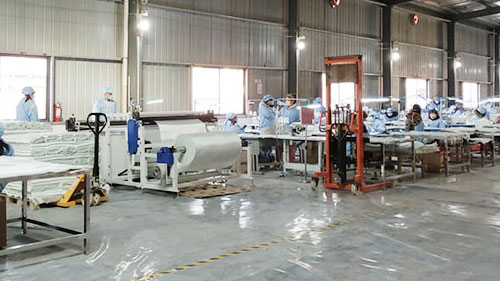
Why Professional Manufacturers Matter
Experienced manufacturers typically provide:
• DIN 91489 compliant products
• SGS testing reports
• Stable raw material quality
• Traceable production
• Custom vehicle sizes
• OEM & ODM manufacturing
• Global export experience
These factors help ensure consistent performance when every second counts.
Final Verdict
For electric vehicle fire protection, material selection directly affects safety.
Best Choice Ranking
1. Silicone-Coated High Silica Fabric – Excellent heat resistance, electrically insulating, durable, and suitable for EV battery fires.
2. Silicone-Impregnated Graphite Fiber – Outstanding heat resistance but introduces electrical conductivity risks.
3. Ordinary Fiberglass Fabric – Suitable for conventional fire blankets but not recommended for lithium-ion battery thermal runaway.
If you are sourcing EV fire blankets for fire departments, industrial facilities, parking structures, or emergency response teams, always prioritize certified silicone-coated high silica fabric manufactured by companies that comply with DIN 91489 requirements.
FAQ
What is the best material for an EV fire blanket?
Silicone-coated high silica fabric is widely regarded as the best choice because it offers high-temperature resistance, electrical insulation, and excellent fire containment performance.
Can ordinary fiberglass be used for EV fires?
No. Ordinary fiberglass lacks sufficient long-term heat resistance for lithium-ion battery thermal runaway events.
Is graphite fiber safe for EV fire blankets?
Graphite fiber withstands very high temperatures but is electrically conductive, which may create additional safety concerns around damaged high-voltage battery systems.
Why is DIN 91489 important?
DIN 91489 is a recognized German standard that verifies the performance and safety of EV fire blankets through standardized testing, helping buyers identify products suitable for electric vehicle fire scenarios.