EV Fire Blanket Testing Standards and Certifications
Overview:Learn about EV fire blanket testing standards certifications and how to choose reliable fire blankets for lithium battery fire safety Explore high performance EV fire blanket solutions
As electric vehicles (EVs) continue to expand globally, safety concerns—especially battery-related fire risks—are becoming increasingly critical. One of the most effective emergency solutions for EV fires is the EV fire blanket. However, not all fire blankets are created equal. Understanding testing standards and certifications is essential for buyers, distributors, and safety professionals.

In this article, we break down the key EV fire blanket standards, what certifications to look for, and how to choose a reliable supplier.
Why Testing Standards Matter for EV Fire Blankets
Lithium-ion battery fires are fundamentally different from traditional fires. They burn hotter, last longer, and can reignite due to thermal runaway. This makes standard fire suppression methods less effective.
An EV fire blanket must:
• Withstand extremely high temperatures (up to 1000°C+)
• Effectively isolate oxygen
• Prevent fire spread and toxic smoke release
• Maintain structural integrity under prolonged exposure
Without proper testing and certification, a fire blanket may fail in real-world emergencies.
Key Testing Standards for EV Fire Blankets
1. EN 13501-1 (Fire Classification of Construction Products)

This European standard evaluates reaction to fire performance. High-quality EV fire blankets are typically rated:
A1 or A2: Non-combustible materials
This ensures the blanket itself does not contribute to fire growth.
2. EN 1869 (Fire Blankets for Domestic Use – Adapted for Industrial Use)
Although originally designed for kitchen fire blankets, EN 1869 is often used as a baseline test, covering:
• Flame resistance
• Extinguishing capability
• Durability under heat
For EV applications, manufacturers must exceed these basic requirements.
3. ISO 1716 (Calorific Value Test)
This test measures how much heat a material releases during combustion.
• Lower calorific value = safer material
High-performance EV fire blankets use fiberglass or silica fabrics with specialized coatings to achieve superior results.
4. Thermal Shock and High-Temperature Resistance Testing
EV fire blankets must endure:
• Continuous exposure above 800°C
• Short bursts exceeding 1000°C
• Rapid temperature fluctuations
This is especially important during lithium battery thermal runaway events.
5. REACH and RoHS Compliance
Environmental and safety compliance is also critical:
• REACH: Ensures no harmful chemical substances
• RoHS: Restricts hazardous materials
These certifications are particularly important for European markets.
Certifications Buyers Should Look For
When sourcing EV fire blankets, prioritize suppliers that provide:
• Third-party test reports (SGS, TÜV, Intertek)
• Material safety data sheets (MSDS)
• Batch traceability
• Factory quality certifications (ISO 9001)
Common Mistakes When Choosing EV Fire Blankets
Many buyers focus only on price, ignoring critical factors:
► Using low-grade fiberglass with poor coating
► Lack of real high-temperature testing
► No certification or unverifiable reports
► Insufficient size for vehicle coverage
These mistakes can lead to catastrophic failure during real fire incidents.

At this point, choosing a reliable manufacturer becomes crucial.
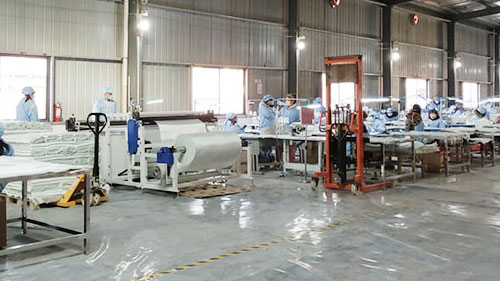
Our EV fire blankets are specifically engineered for lithium battery fire scenarios and offer:
• Ultra-high temperature resistance up to 1000°C+
• Heavy-duty fiberglass with silicone or vermiculite coating
• Large customizable sizes for full vehicle coverage
• Reinforced edges and high-strength handles for rapid deployment
• Strict quality control with third-party testing reports available
Unlike standard fire blankets, our products are designed for industrial-grade EV fire suppression, ensuring maximum safety and reliability.
Learn more about our EV fire blanket solutions here: Premium EV Fire Blanket