Fiberglass Fire Blanket vs Ceramic Fiber Blanket
Overview:Compare fiberglass fire blankets and ceramic fiber blankets in terms of temperature resistance insulation durability and cost to choose the right high temperature protection solution.
When selecting high-temperature protection materials, buyers often compare fiberglass fire blankets and ceramic fiber blankets. Although both are heat-resistant materials, they serve very different purposes in fire safety and thermal insulation applications.
Understanding the differences can help distributors, engineers, and industrial buyers choose the right solution for welding, insulation, or fire suppression.
What Is a Fiberglass Fire Blanket?

It is commonly used for:
► Welding spark protection
► Emergency fire suppression
► Equipment surface shielding
► Kitchen and automotive fire protection

Key Advantages
► Flexible and lightweight
► Strong spark and molten metal resistance
► Easy to handle and reusable
► Cost-effective for large-scale production
What Is a Ceramic Fiber Blanket?
A ceramic fiber blanket is made from alumina-silica fibers formed through needle-punching technology. It is primarily designed for thermal insulation rather than direct fire suppression.
It is widely used in:
► Industrial furnaces
► Kilns and boilers
► High-temperature pipelines
► Power plant insulation systems
Key Advantages
► Extremely high temperature resistance
► Excellent thermal insulation performance
► Low thermal conductivity
► Suitable for continuous high-heat environments
Side-by-Side Comparison
Below is a visual comparison of fiberglass fire blankets and ceramic fiber blankets:
| Feature | Fiberglass Fire Blanket | Ceramic Fiber Blanket |
|---|---|---|
| Main Function | Fire & spark protection | Thermal insulation |
| Temperature Resistance | 500°C – 1100°C (depending on coating) | 1000°C – 1400°C |
| Flexibility | High | Medium |
| Mechanical Strength | Strong woven fabric | Softer, fibrous structure |
| Direct Flame Contact | Suitable (short-term) | Suitable (insulation focus) |
| Typical Application | Welding, emergency fire control | Furnace & kiln insulation |
| Cost | Lower | Higher |
| Reusability | Yes | Depends on condition |
Temperature Resistance: Which Performs Better?
► Fiberglass fire blankets are designed for direct spark impact and molten metal resistance
► Ceramic fiber blankets are optimized for long-term insulation
In welding workshops, fiberglass fire blankets are typically the better solution.
In furnace linings, ceramic fiber blankets are preferred.
Application Differences
When to Choose Fiberglass Fire Blanket
► Welding workshops
► Shipbuilding yards
► Automotive fire protection
► Kitchen fire emergency kits
► Surface and equipment protection
When to Choose Ceramic Fiber Blanket
► Industrial furnace lining
► Power plant insulation
► High-temperature kilns
► Continuous heat insulation systems
Common Buyer Confusion
Many buyers assume higher temperature rating automatically means better fire protection.
This is not always true.
Ceramic fiber handles higher heat but lacks the woven structural strength and surface durability of fiberglass blankets for spark protection.
Choosing the wrong material can lead to:
► Premature material damage
► Increased replacement cost
► Fire safety compliance issues
Cost & Supply Chain Considerations
For distributors and OEM buyers:
► Fiberglass fire blankets offer better scalability and lower production cost
► Ceramic fiber blankets have higher raw material costs
► Fiberglass products are easier to customize (size, coating, packaging)
► Ceramic fiber products are more niche and technical
If your target market is welding, emergency fire safety, or consumer protection, fiberglass is usually the more commercial solution.
Manufacturer Insight
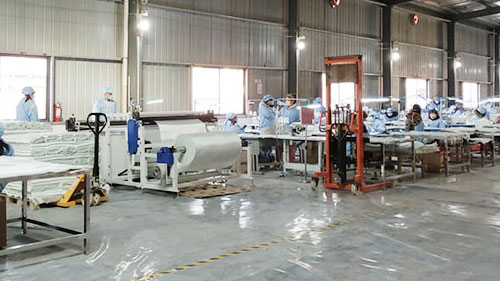
As a manufacturer specializing in high-temperature fiberglass fire blankets, we provide:
► OEM & private label production
► Silicone and vermiculite coating options
► Custom thickness and size
► Stable industrial supply capacity
► Export-ready compliance documentation
We help customers choose the right material based on application — not just temperature numbers.
Final Verdict
| If You Need | Choose |
|---|---|
| Spark & welding protection | Fiberglass fire blanket |
| Emergency fire suppression | Fiberglass fire blanket |
| Continuous industrial insulation | Ceramic fiber blanket |
| Furnace lining | Ceramic fiber blanket |
Both materials serve different industrial purposes.
The right choice depends on whether your priority is fire protection or thermal insulation.
Looking for reliable high-temperature fire blanket solutions?
Contact us for fiberglass fire blanket specifications
Request OEM customization details
Get samples for performance testing
Upgrade your industrial fire protection with the right material.